

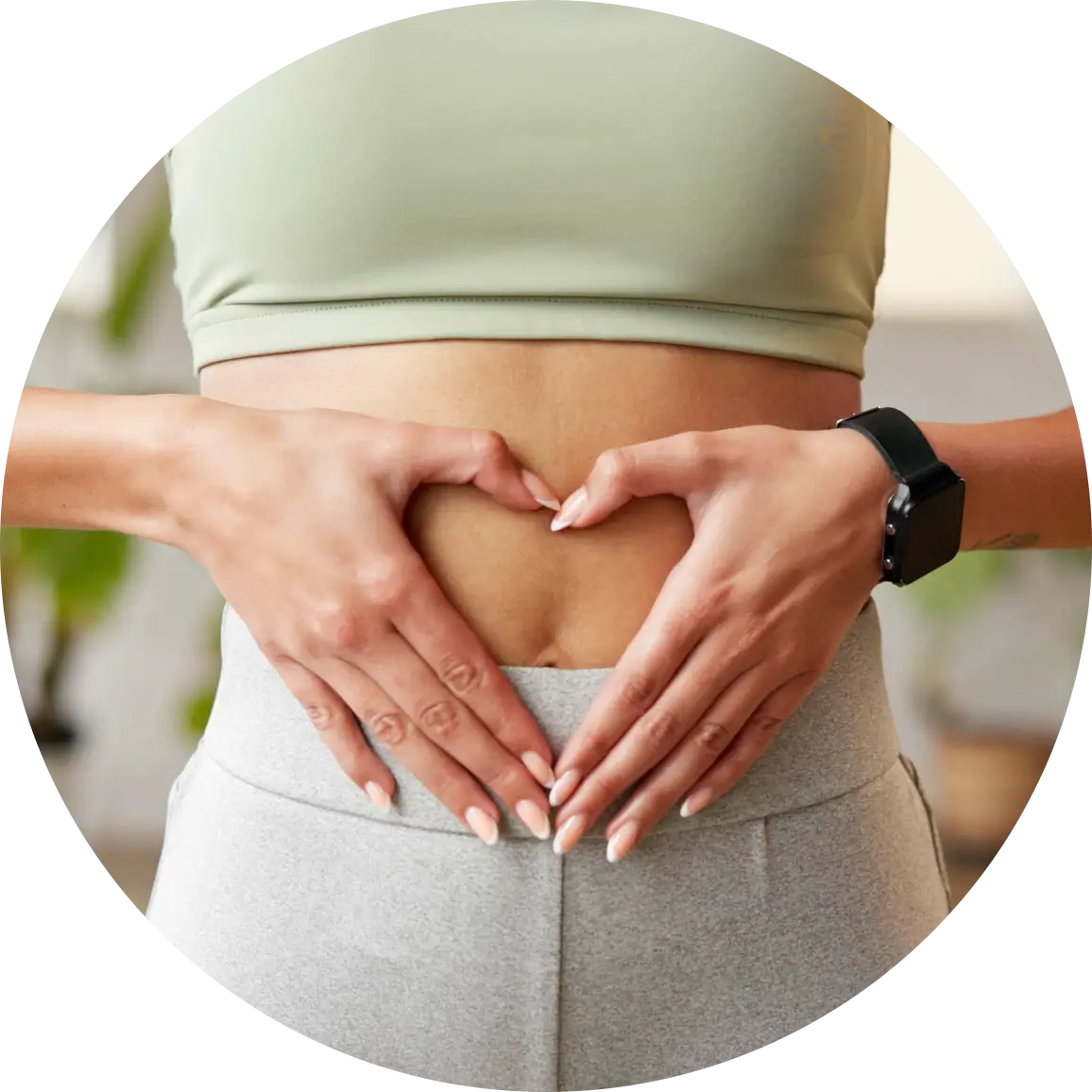
Pelvic Organ Prolapse (POP) occurs when the muscles and tissues supporting the pelvic organs weaken allowing one or more organs to descend from their normal position into or beyond the vagina wall. It is a very common condition, affecting up to 50% of women over 40 and in many cases can be effectively managed without surgery.
Mild prolapse often causes no symptoms and treatment is not always necessary. Many women are unaware they have a prolapse until it's identified at a routine examination.


Common symptoms include a feeling of heaviness or dragging in the pelvis -often worsening through the day – along with bladder bladder and bowel changes and discomfort during intercourse. Some women also notice a sensation of something bulging at the vaginal opening.
Targeted exercises to strengthen and stabilise the muscles supporting the pelvic organs
Learning to pre contract the pelvic floor during activities that increase abdominal pressure, such as coughing, sneezing or lifting.
Guidance on weight management, avoiding constipation. modifying heavy lifting and reducing bladder irritants, such as caffeine.
This is a small internal device to support prolapsed organs and relieve symptoms. Your physio will advise you on this and refer you accordingly.
We understand that coming for a prolapse assessment can feel personal and daunting. Our physiotherapists provide a warm, professional and completely confidential environment where you'll be listened to and treated with care.
Your first appointment will begin with a detailed discussion covering your symptoms and how long you've experienced them, your obstetric and gynaecological history, relevant medical background and any previous treatments, and how the prolapse is affecting your daily life activity and confidence.
A physical assessment will also be carried out which may include an internal pelvic floor assessment to assess the position of the pelvic organs and the strength, coordination and tone of your pelvic floor muscles. This is always performed with your full consent and explained clearly beforehand.
Following assessment your physiotherapist will discuss their findings and create a personalised plan tailored to your type and stage of prolapse.
Many women begin to notice improvements within 6 to 12 weeks of consistent physiotherapy and home exercise. Your physiotherapist will review your progress regularly and adjust your programme as needed.
I initially visited Vicky Carey for a "Mummy MOT". She was professional and very knowledgeable about post C-section recovery. I regularly attended sessions, and she helped me achieve my goals of returning to running and skiing.
Satpriya
I would like to thank Vicky Carey not just for her professional physio treatment but also for her positive encouragement at every stage of the process. I highly recommend Vicky for her specialism in post natal (in my case, 10 years post natal!) matters.
Claire J
I highly recommend Vicky for postnatal issues. I had a number of sessions with her for a prolapse post birth and she was absolutely brilliant. Very knowledgeable and very thorough. I have seen a huge improvement in my symptoms to the point that they are virtually non-existent and am now back to running safely.
RK
I feel very fortunate to have found Vicky Carey for her expertise in women's health. Her sessions have made a big difference to my experience of the perimenopause. I would recommend her for her professionalism as well as her friendly and caring manner.
JMF
Amazing results for my mommy tummy in just under 4 weeks. Vicky is amazing, very gentle and caring with perfection in her exercise prescription. Every new mom should have that treatment!
Irena
Here comes my overdue review about Vicky. I had the privilege to see her more than 10 times - never thought I would enjoy going to a medical session but I did! I’ve experienced changes from barely moving about (postnatal) to now feeling like myself. Thanks to Vicky. I couldn’t recommend her more and she is wonderful, professional and knowledgeable!
RQVE
A huge thank you to Vicky Carey who helped me rebuild my pelvis and core after pregnancy. Her treatments always felt really good and her evolutive exercise plan gave results quickly. I highly recommend her to all mamas!
Camille G
I came to Vicky Carey for specialist women's health physiotherapy, to help manage chronic pain from fibromyalgia and pregnancy. I can honestly say that Vicky has made a remarkable difference. She is incredibly knowledgeable, thorough, and genuinely invested in her patients' progress. From the very first session, I felt completely at ease in her care. Vicky took the time to understand my various conditions and tailored her approach accordingly, both for hands-on treatment and prescribed exercises. Though I practice a little yoga, the bespoke (and very gentle) exercise plan and treatments she has provided have improved my symptoms significantly, and I continue to reap the benefits. As my needs will continue to change through pregnancy, I won't hesitate to book a session with Vicky to help me manage pain and mobility as my body changes. I'm also looking forward to booking the Mummy MOT once the little one arrives!
Kelly H
Just had my first session with Vicky and I am very happy about it. I've been having pelvic pain and other issues since my endometriosis surgery and she was absolutely incredible! We spoke about my case, drafted a personalized treatment plan and she did a nice blend of assessment and hands on treatment. I look forward to seeing the results of her work 💪🏻
Ana F
I visited Vicky for a Mummy MOT 6-weeks after having my little girl. I felt disappointed by my GP postnatal follow-up and wanted a more thorough examination and a plan to return safely to the activities I loved (running, cycling, pilates, etc.). Vicky provided just that and rebuilt my self-confidence. 6-months later and I reached my goal of running 24km along the Jurassic Coast. Progress felt slow at first, but I'm so happy with the outcome.
Philipa
Vicky has been amazing helping me through postpartum recovery. The Mommy MOT is a very thorough evaluation with practical advice on recovery. The follow up sessions have been very useful and I also learnt what I can do on my own at home to sustain recovery.
Ruxandra C
You may experience a feeling of heaviness or a dragging sensation in the pelvis which can worsen as the day progresses. It can also cause bladder and bowel symptoms and discomfort with intercourse. Some women may notice a bulge at the vaginal opening particularly after long periods of standing or physical activity.
Not necessarily. Evidence shows that pelvic floor muscle training and lifestyle advice can improve both symptoms and the stage of prolapse. With the right physiotherapy support and lifestyle modifications, many women experience significant improvement and prevent further progression.
Yes, with the right guidance. High impact activities and heavy lifting may need to be temporarily modified but staying active is encouraged. Your physiotherapist will advise you on safe exercise and teach you how to protect your pelvic floor during physical activity.
Yes, large scale research has shown that individualised pelvic floor training delivered by specialist physiotherapists effectively reduces prolapse symptoms and improves quality of life.

Our Women’s Health Assessment will thoroughly assess your pelvic organ prolapse concerns, identify the cause of your symptoms and provide the most appropriate treatment plan for you.
